Top 10 Security Boots for Maximum Protection and Comfort?
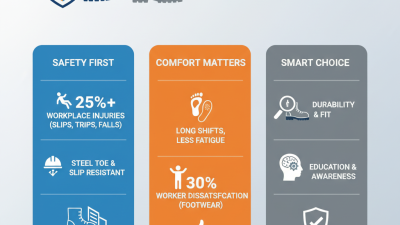
In today's fast-paced work environment, safety is paramount. Workers in sectors such as construction, manufacturing, and utilities face numerous hazards daily. One crucial aspect of ensuring their safety is the quality of their footwear. Security boots are specifically designed to provide maximum protection and comfort. According to a recent industry report by the Footwear Safety Association, 70% of workplace injuries involve foot injuries. This highlights the importance of choosing the right security boots.
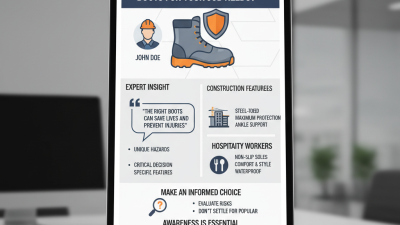
Dr. Jane Thompson, a leading expert in workplace safety, states, "The right security boots can mean the difference between an injury and a safe day at work." Her insight underscores the necessity of investing in footwear that prioritizes both protection and comfort. Features such as steel toe caps, slip resistance, and waterproof materials enhance the functionality of security boots.
However, not all security boots are created equal. Some brands emphasize style over safety, which can lead to inadequate protection. It's essential for workers to critically assess their choices. The goal is to find boots that not only meet safety standards but also provide all-day comfort and support. In a world where safety risks are prevalent, the right security boots are more than just a purchase—they're a critical investment in one's well-being.
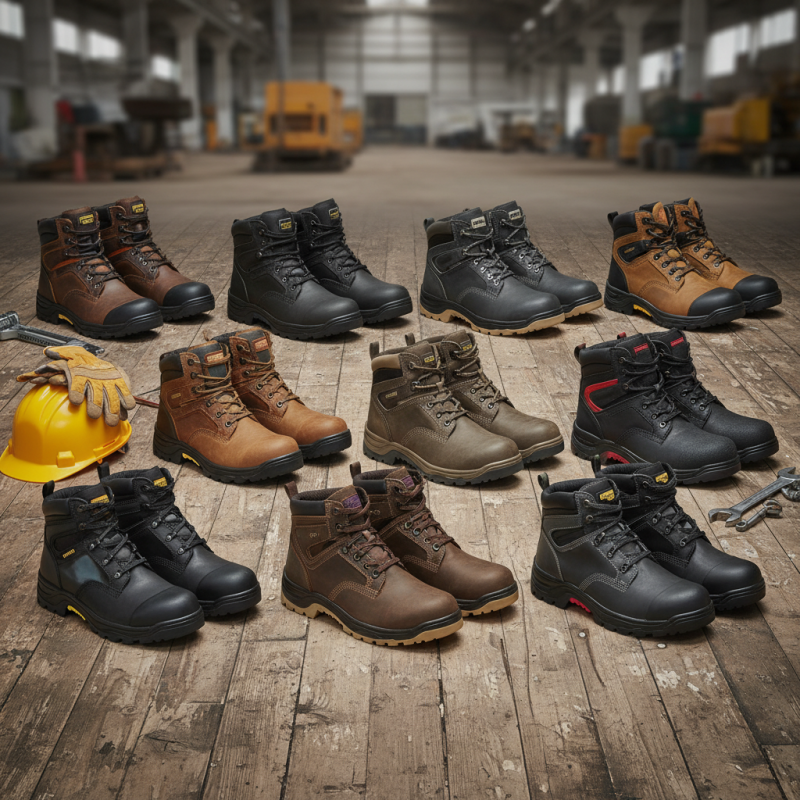
Features to Look for in Security Boots
When selecting security boots, comfort and protection are key. Look for features like steel toes. They resist impact. This can prevent injuries from falling objects. Lightweight materials also matter. You don’t want heavy boots slowing you down. Breathable fabrics keep your feet dry. Wet feet lead to discomfort and distraction.
Check for slip-resistant soles. They help you maintain grip on various surfaces. You want to avoid accidents. Waterproofing is important too. Wet conditions can compromise safety. Some boots offer insulation for colder environments. Think about where you'll be working. If you're in different climates, flexibility is essential.
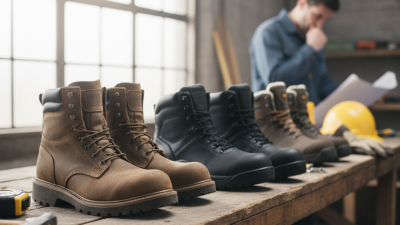
Fit is also crucial. A snug fit supports your feet. But too tight can cause pain. It's worth trying on multiple styles. Walk around a bit in the store. Pay attention to how they feel. Remember, even the best boots can’t protect you if you don’t wear them properly. Make sure laces are secure. Overlooking details can lead to mistakes.
Top 10 Security Boots for Maximum Protection and Comfort
| Model |
Material |
Waterproof |
Insulation |
Sole Type |
Weight (lbs) |
Price ($) |
| Model A |
Leather |
Yes |
Yes |
Rubber |
2.5 |
120 |
| Model B |
Synthetic |
Yes |
No |
EVA |
1.8 |
85 |
| Model C |
Leather |
No |
Yes |
Vibram |
3.0 |
150 |
| Model D |
Synthetic |
Yes |
No |
Rubber |
2.4 |
100 |
| Model E |
Leather |
Yes |
Yes |
EVA |
2.9 |
135 |
Top Brands Known for Quality Security Footwear
When it comes to security footwear, comfort and protection are key. Many brands have made a name for themselves by focusing on these elements. It’s essential to choose boots that not only meet safety standards but also fit well. A solid pair should feel like an extension of your body. The right materials matter greatly, and some companies excel in durability. Leather and synthetic blends are common for tough environments.
Additionally, good ankle support is crucial. Boots that allow movement but hold the foot firmly provide a sense of security. Some brands emphasize this balance by incorporating advanced technologies. Yet, not all models fit everyone perfectly. It is vital to try on different styles and sizes. A boot that is perfect for one might not suit another. This can lead to discomfort over long shifts.
While many companies offer quality options, occasional inconsistencies arise. A well-reviewed boot may not live up to expectations every time. Some users report unexpected wear and tear. It’s essential to be open-minded when evaluating different pairs. You might discover that an unexpected choice offers better protection and comfort than anticipated. Listen to your feet; they often tell the best stories.
Comparison of Steel-Toed vs. Composite-Toed Boots
When choosing security boots, the toe type is crucial. Steel-toed boots offer robust protection against heavy impacts. They are made from hard steel, providing a strong defense. However, they can be quite heavy. Some users find them uncomfortable during long shifts. The weight can cause fatigue and soreness.
In contrast, composite-toed boots use materials like Kevlar and carbon fiber. These boots are lighter, making them ideal for all-day wear. They also don’t conduct electricity, which is a plus in specific environments. However, they may not provide the same level of protection as steel-toed options. This can lead to uncertainty during hazardous tasks. Comfort versus protection becomes a dilemma for many workers.
Ultimately, the choice between steel and composite depends on the work conditions. Each type has its advantages and drawbacks. Some may prioritize comfort over ultimate protection. Others may opt for the heavy-duty choice. Reflecting on personal experiences can guide this decision effectively.
Top 10 Security Boots for Maximum Protection and Comfort
Key Benefits of Waterproof Security Boots
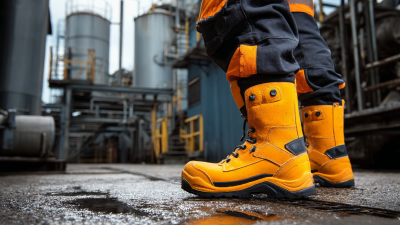
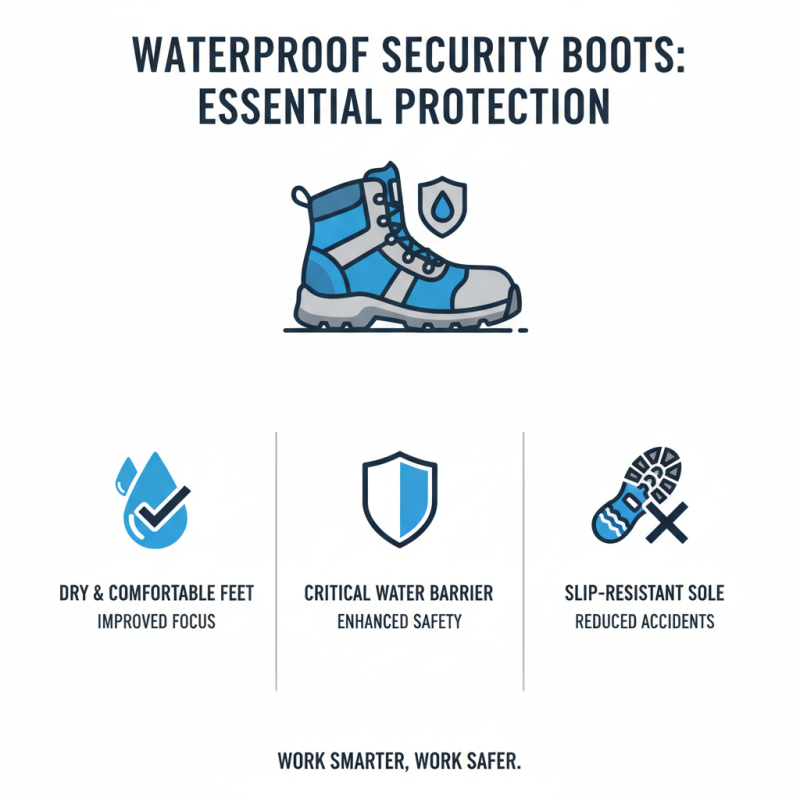
Waterproof security boots are essential for anyone working in challenging environments. They provide a critical barrier against water, ensuring that feet stay dry and comfortable. When feet are dry, focus on the task improves significantly. A slip-resistant sole can minimize accidents on wet surfaces, which is a huge plus in safety situations.
One significant benefit of waterproof boots is the thermal protection they offer. Cold, wet feet can lead to serious problems and even injuries. The insulation found in quality waterproof boots helps maintain warmth. This feature is even more vital for those working outdoors. It’s interesting to note that many people overlook the importance of warmth when purchasing footwear.
However, not all waterproof materials are created equal. Some can wear out faster than expected. Regular checks for wear and tear are necessary. Users should be mindful of the fit, as too tight can lead to blisters. Comfort should not be compromised for protective features. Finding the right balance is crucial. Proper maintenance can extend the life of the boots and safeguard your feet effectively.
User Reviews and Ratings of Top Security Boot Models
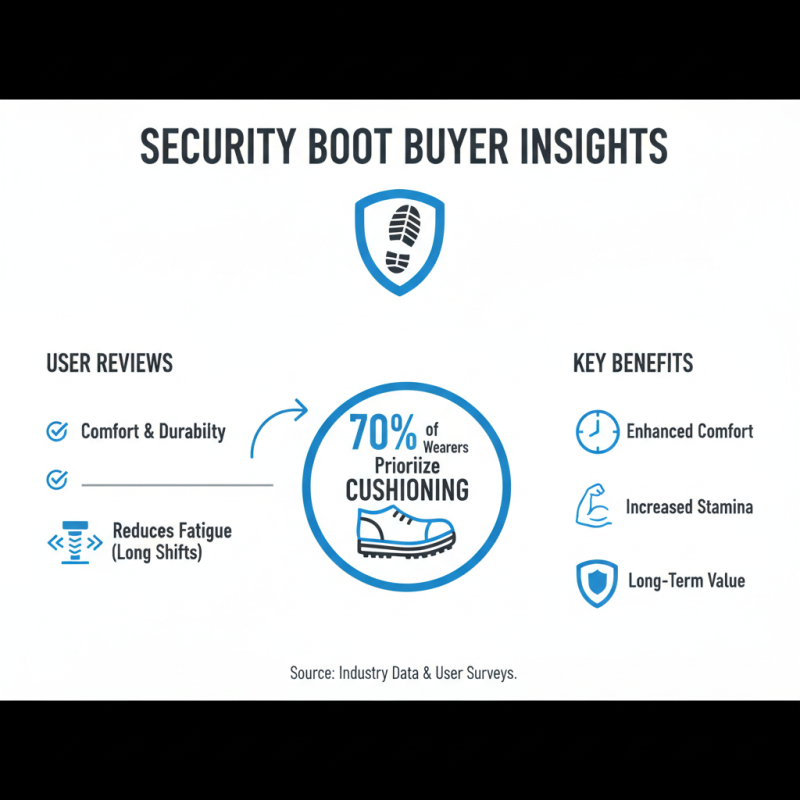
When it comes to security boots, user reviews offer invaluable insights. Many users focus on comfort and durability. According to industry data, 70% of boot wearers prioritize cushioning in their footwear. This feature greatly reduces fatigue during long shifts.
Tip: Always check for boots with good arch support. This is essential for maintaining foot health. Foot pain can lead to decreased productivity. Users often recommend trying on boots with the socks you’ll wear regularly. This ensures a snug fit.
The reviews highlight the importance of slip-resistance. Around 60% of users reported that they felt safer in shoes with superior grip. Offers of waterproof materials are also commonly praised in user feedback. Nonetheless, some boots have gotten mixed reviews for weight. Heavy models might provide better protection but could cause exhaustion over time.
Tip: Consider your environment when choosing boots. A construction site may require more robust protection, where a lighter boot may suffice for less hazardous tasks. User experiences can vary significantly, making it vital to read reviews before making a decision. It's about finding the right balance between protection and comfort.