2026 How to Choose the Best Snow Shoes for Your Winter Adventures?
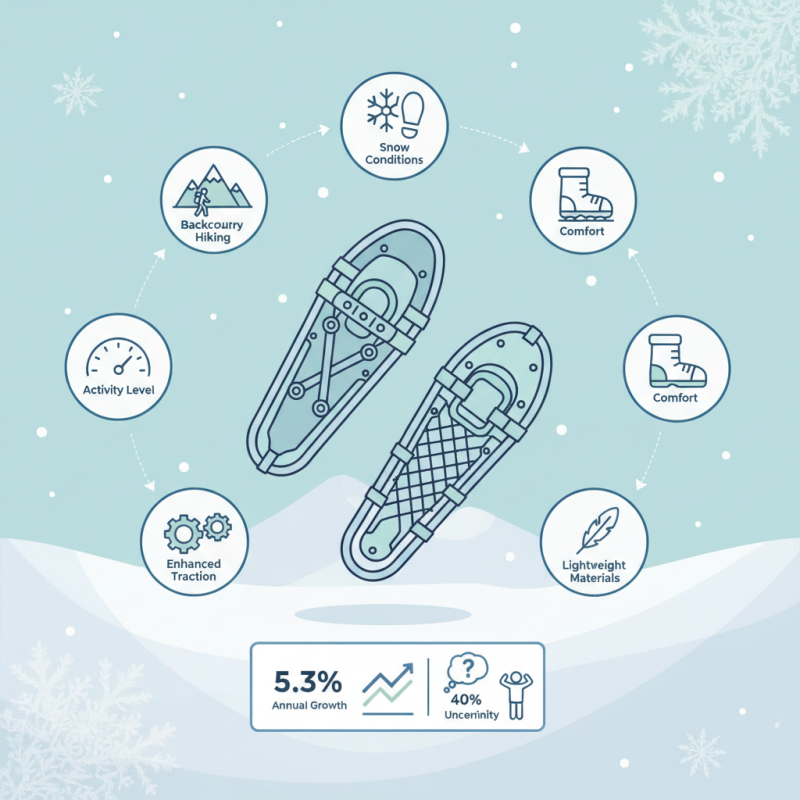
As winter approaches, outdoor enthusiasts gear up for snow adventures. Choosing the right snow shoes is crucial for a successful experience. The market for snow shoes has seen a growth of 5.3% annually, demonstrating increasing interest in winter sports. With a vast array of products available, selecting the ideal pair can feel overwhelming.
Snow shoes are designed to distribute weight and prevent sinking into the snow. However, not all models are created equal. Top brands often emphasize features like lightweight materials and enhanced traction. According to the Outdoor Industry Association, 40% of winter sports participants feel uncertain about proper gear selection. This indicates a need for clear guidance when choosing snow shoes.
It's important to consider personal needs. Factors like snow conditions and intended use significantly impact your choice. While some may prefer compact models for backcountry hiking, others might prioritize stability for casual walks. Reflecting on your activity level and comfort is essential. The wrong choice can lead to discomfort. Thus, understanding snow shoes will enhance your winter adventures.
Understanding the Different Types of Snow Shoes Available
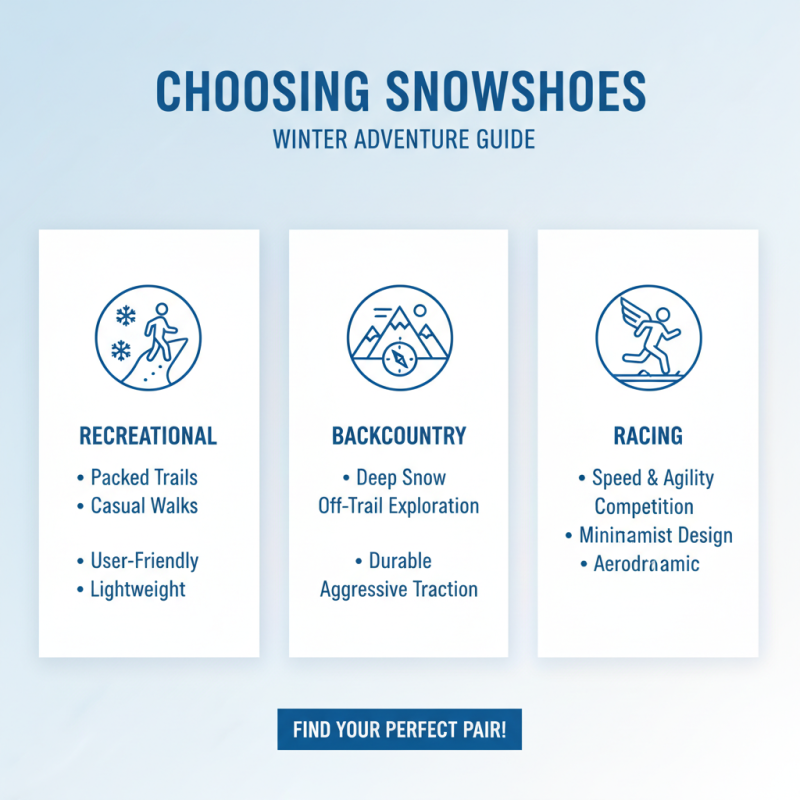
When choosing snow shoes for winter adventures, it's essential to understand the various types available. Snow shoes can be broadly categorized into recreational, backcountry, and racing models. Recreational snow shoes are ideal for casual walks on packed trails. They tend to be user-friendly and come in various sizes. Their lightweight design makes them perfect for families or those who just want to enjoy a winter stroll.
Backcountry snow shoes offer enhanced features for challenging terrains. These are often sturdier and provide superior grip. However, they may lack some comfort for casual users. It’s crucial to consider the terrain. If you're venturing into deep snow, a wider frame could be beneficial. But, wider shoes can be cumbersome on packed trails. This tug-of-war between comfort and functionality is something to ponder.
Racing snow shoes prioritize speed and performance. They are usually narrower and lighter but offer less stability. They could be unsuitable for beginners. Balancing your choice based on your activity level and environment can be perplexing. Don’t rush your decision. Testing different types in snowy conditions can help identify the best fit for your unique adventures.
Evaluating the Terrain: Choosing Snow Shoes for Various Conditions
When choosing snowshoes, consider the terrain you plan to explore. Different conditions require diverse features. For flat, packed trails, opt for lightweight shoes. They offer ease and speed. On the other hand, if hiking through deep powder, a wider design is crucial. This helps distribute your weight and prevents sinking.
Uneven terrain presents its own challenges. Look for snowshoes with added traction. Cleats or spikes improve grip on icy surfaces. They enhance stability as you navigate through challenging conditions. However, be aware that these features can add weight, making them less suitable for long distances.
Many overlook the importance of adjusting the bindings properly. A loose fit can lead to blisters or even falls. Always test your bindings before heading out. Additionally, consider your own comfort level. Finding the right snowshoes is about balancing features with your experience. It’s a reflection of your journey and the adventures ahead.
2026 How to Choose the Best Snow Shoes for Your Winter Adventures? - Evaluating the Terrain: Choosing Snow Shoes for Various Conditions
| Terrain Type |
Snow Conditions |
Recommended Snow Shoes |
Features to Look For |
| Flat, Open Areas |
Packed Snow |
Lightweight Snow Shoes |
Lightweight, Good Traction |
| Hilly Terrain |
Variable Snow Depth |
All-Mountain Snow Shoes |
Climbing Assist, Good Grip |
| Wooded Areas |
Wet Snow |
Medium-Wide Snow Shoes |
Maneuverability, Good Floatation |
| Mountain Trails |
Powder Snow |
Wide Snow Shoes |
Floatation, Stiff Frame |
| Urban Areas |
Packaged Trails |
Compact Snow Shoes |
Compact Design, Easy Storage |
Sizing and Fit: How to Select the Right Size for Comfort and Performance
When choosing snowshoes, sizing and fit are crucial for both comfort and performance. An ill-fitting pair can lead to blisters and discomfort during long hikes. To ensure a good fit, start by measuring your foot size accurately. You can use a ruler and tape at home. Remember, your snowshoe size should accommodate not only your foot but also your winter boots.
Consider the type of snow shoeing you’ll do. If you plan to tackle steep terrain, a snug fit is essential. For easier, flat trails, a little extra room may enhance comfort. Additionally, it’s wise to try on snowshoes with your winter boots. Walk around a bit to test the combination. Sometimes, what looks right on paper doesn’t feel right on your feet.
Pay attention to weight limits as well. Many snowshoes have specific ranges. Staying within these limits ensures better flotation in deep snow. If you're heavier than the maximum recommendation, your snowshoes may sink too deeply. Always reflect on how the equipment affects your experience. Choices matter greatly, and the right fit can make all the difference in your winter adventures.
Snow Shoe Size Recommendations Based on Foot Length
This chart provides size recommendations for snow shoes based on the foot length in centimeters. It aims to help users choose the correct size for comfort and performance during winter adventures.
Material and Construction: What to Look for in Quality Snow Shoes
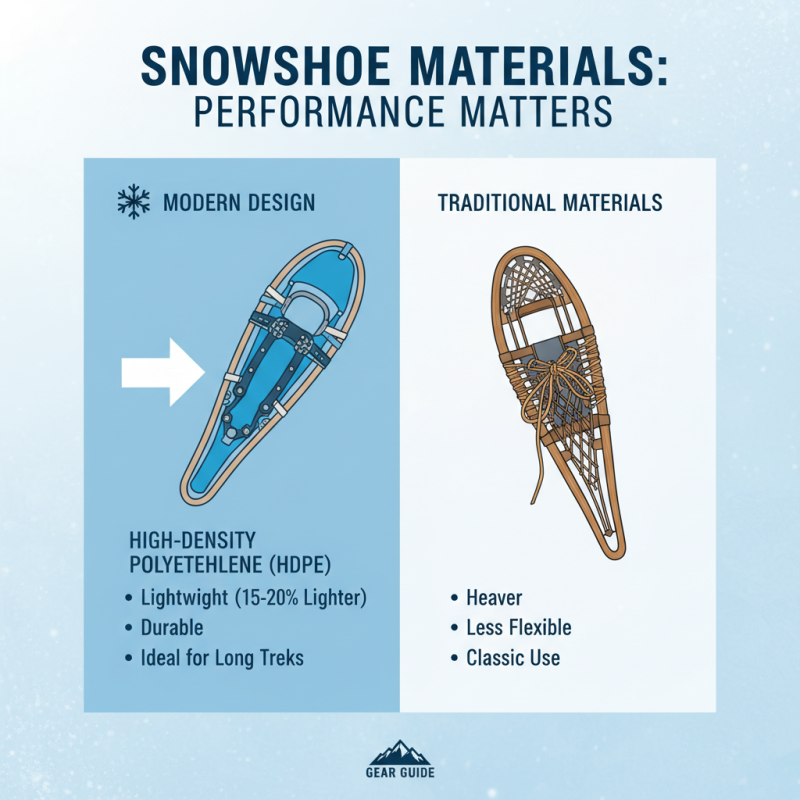
Choosing the best snowshoes requires careful consideration of materials and construction. The right materials can make a significant difference in performance and durability. For instance, high-density polyethylene (HDPE) is frequently used for snowshoe decks due to its lightweight and robust properties. According to industry reports, snowshoes made from HDPE tend to be 15-20% lighter than those made from traditional materials. This attribute is crucial during long treks.
When considering the frame structure, look for options that combine aluminum and composite materials. Aluminum offers superior strength, while composites can enhance flexibility. Several studies indicate that a well-constructed frame can improve flotation, helping users navigate deep snow more effectively. However, not every design achieves this balance. Some poorly constructed frames may bend easily under pressure, leading to a frustrating experience in challenging conditions.
Straps play a key role in comfort and performance. Adjustable straps allow for a better fit, which can impact how energy is transferred during movement. Reports show that up to 30% of users experience foot discomfort due to improperly fitting straps. Testing different models can reveal which designs best accommodate your foot shape. It’s not always a straightforward decision; trial and error often illuminate the ideal choice. Keep this in mind while you embark on your winter adventures.
Additional Features: Extra Considerations for Enhanced Snow Shoe Experience
When selecting snowshoes, additional features can greatly enhance your winter adventures. Look for models with adjustable bindings. This ensures a secure fit for various boot sizes. It can be frustrating when bindings are too loose. Some snowshoes also come with aggressive traction systems. These are crucial for steep, icy terrain. The last thing you want is to slip while navigating challenging landscapes.
Consider snowshoes with built-in flotation features. Wider models can help you stay on top of deep snow. This is particularly important for backcountry exploration. Some designs include reinforced frames. They offer added durability when traversing rough surfaces. Reflecting on past trips, I often wish I had chosen sturdier options.
Weight is another factor to consider. Lighter snowshoes make for easier transport. However, they might compromise durability. Finding the right balance is key. Ventilation is a feature that can’t be overlooked. Many snowshoeing enthusiasts have experienced sweaty feet on long treks. Models with breathable materials minimize discomfort. You may find that every detail counts when you’re out in the cold for hours.