The Ultimate Guide to Choosing the Best Work Boot for Your Needs
When it comes to selecting the perfect work boot, the stakes are high—both for comfort and safety. As John Smith, a renowned expert in the work boot industry, aptly stated, "The right work boot can make all the difference between enduring a long day on the job and suffering from fatigue and discomfort." With such a profound impact on daily performance, choosing the correct footwear becomes not just a matter of preference, but of necessity.
In "The Work Boot" industry, understanding the nuances of different designs, materials, and features is pivotal for ensuring that your choice caters to your specific needs. Whether you are on a construction site, in a warehouse, or navigating unpredictable terrains, the right boot can prevent injuries and enhance productivity. This guide will demystify the selection process, equipping you with insights into what makes an excellent work boot, including factors such as fit, durability, and safety standards.
Join us as we explore the essential elements to consider when choosing a work boot that not only suits your profession but also supports your overall well-being and work efficiency. Remember, investing in the right footwear is an investment in your health and success on the job.
Understanding Different Types of Work Boots and Their Features
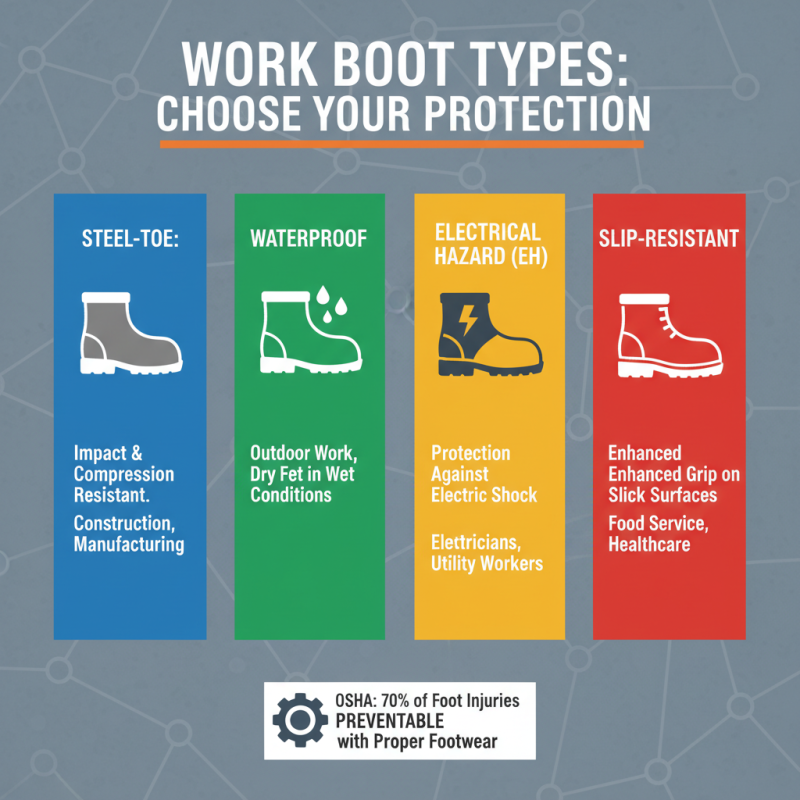
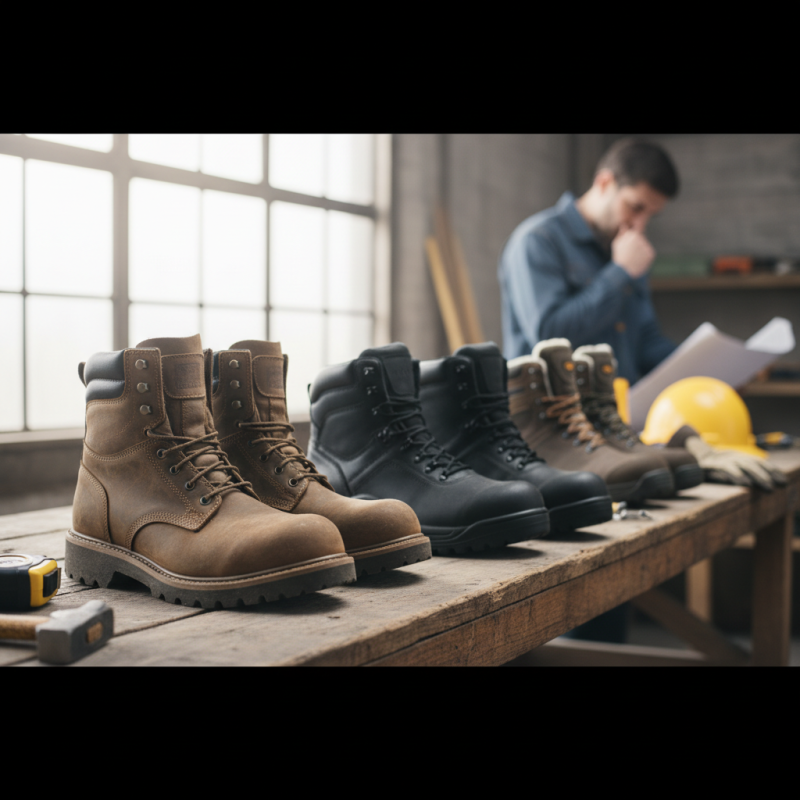
When choosing the best work boot for your specific needs, it’s essential to understand the diverse types of work boots available and their distinguishing features. Work boots can be classified into various categories based on their intended use, including steel-toe, waterproof, electrical hazard-rated, and slip-resistant options. According to a report by the Occupational Safety and Health Administration (OSHA), around 70% of foot injuries in the workplace could be prevented with proper footwear, highlighting the importance of selecting the correct type of work boot for your environment.
Steel-toe boots are designed to protect your feet from heavy falling objects and impacts, making them a favorite among construction workers and factory employees. They typically feature reinforced toe caps that meet ASTM standards for safety footwear. On the other hand, waterproof boots are crucial for individuals who work in wet environments, providing necessary protection against moisture and cold temperatures. A study published by the National Institute for Occupational Safety and Health (NIOSH) revealed that slips, trips, and falls are a leading cause of workplace injuries, which underscores the importance of slip-resistant soles found on many work boot models. By evaluating your work environment and understanding these features, you can make an informed decision that enhances both safety and comfort on the job.
Assessing Safety Standards for Work Boots Across Various Industries
When choosing work boots, safety standards play a crucial role in ensuring protection across various industries. According to the Occupational Safety and Health Administration (OSHA), foot injuries account for nearly 25% of all workplace injuries, highlighting the necessity for appropriate safety footwear. Different industries have specific safety requirements; for instance, construction workers often need steel-toed boots to protect against heavy falling objects, while those in electrical work may require boots that are resistant to electrical hazards. Understanding the relevant safety certifications—such as ASTM and CSA—can significantly impact the level of protection offered by work boots.
Tips: Always check for compliance with safety standards relevant to your industry. Look for features like slip resistance, waterproof materials, and puncture-resistant soles that align with your work environment. Additionally, ensure the boots provide adequate support and comfort, as prolonged wear can lead to fatigue and injuries.
In sectors like manufacturing and warehousing, compliance with ANSI standards is vital. Research indicates that safety footwear can reduce the likelihood of workplace injuries by up to 50%. Therefore, investing in high-quality work boots not only enhances safety but can also result in decreased healthcare costs and increased productivity. Prioritize features tailored to specific hazards in your field to ensure comprehensive protection.
Finding the Right Fit: Sizing and Comfort Considerations for Work Boots
When it comes to choosing the best work boot, sizing and comfort should be at the forefront of your decision-making process. A boot that fits poorly can lead to discomfort, pain, and even injuries during long hours on the job. It's essential to measure both your foot length and width to ensure you select a boot that accommodates your unique foot shape. Keep in mind that sizes may vary between different styles, so trying on boots with the right socks you plan to wear during work is crucial for an accurate fit.
Tips: Always walk around in the boots before committing to a purchase. Ensure there’s enough room in the toe box without your toes hitting the front, while the heel should snugly fit to prevent slippage. Additionally, consider the type of arch support you need as this plays a significant role in your overall comfort throughout the day.
Another important comfort consideration is the materials used in the boot's construction. Look for boots with breathable linings and cushioning to reduce fatigue while providing adequate shock absorption. If you tend to work in wet or slippery environments, prioritize boots with slip-resistant outsoles and waterproof features. Proper maintenance, such as cleaning and conditioning, can also extend the life of your work boots, keeping them comfortable and effective for longer periods.
The Ultimate Guide to Choosing the Best Work Boot for Your Needs
| Boot Feature |
Description |
Sizing Recommendation |
Comfort Considerations |
| Material |
Leather, synthetic, or rubber options |
Choose based on job requirements and climate |
Breathability and waterproofing are key |
| Safety Features |
Steel toe, composite toe, slip resistance |
Ensure compliance with safety standards |
Adequate cushioning reduces fatigue |
| Sole Type |
Rubber, EVA, polyurethane for various terrains |
Match sole type with working environment |
Good traction enhances stability and comfort |
| Fit |
Snug but not too tight, with space for toes |
Measure both length and width for accuracy |
Try with work socks for best fit |
| Weight |
Lightweight vs. heavyweight options |
Consider job demands and duration of wear |
Lighter boots reduce fatigue over long hours |
Exploring Material Options: Leather, Synthetic, and Waterproof Choices
When selecting the right work boot, one of the most critical factors is the material from which it is made. Leather, synthetic, and waterproof options each come with distinct advantages that cater to different work environments. According to the Occupational Safety and Health Administration (OSHA), the choice of boot material can directly impact worker safety and comfort, making it essential to understand the properties of each type. Leather, renowned for its durability and natural breathability, often withstands harsh conditions, providing excellent protection against abrasions and punctures. In a study by the American Society of Safety Professionals, leather work boots were noted to have a longer lifespan, ensuring that they remain a cost-effective choice over time.
On the other hand, synthetic materials, such as nylon and polyester, have gained popularity due to their lightweight and flexible nature, making them ideal for jobs that require agility. In recent years, the use of synthetic boots has surged, with a report from the Footwear Distributors and Retailers of America indicating that nearly 40% of all work boots sold in 2022 were made from synthetic materials. Additionally, waterproof options have become indispensable for professionals working in wet or muddy environments. Research from the National Institute for Occupational Safety and Health highlights that waterproof boots significantly reduce the risk of slips and falls in hazardous conditions, enhancing overall job safety. Ultimately, understanding the properties of these materials is vital for making an informed decision tailored to your specific work needs.
The Ultimate Guide to Choosing the Best Work Boot for Your Needs
This chart illustrates the popularity percentage of different work boot materials among users, providing insight into which material options are most favored: leather, synthetic, and waterproof.
Maintenance Tips to Extend the Lifespan of Your Work Boots
To ensure the longevity of your work boots, proper maintenance is crucial. Start by regularly cleaning your boots to remove dirt, mud, and grime. Use a soft brush or cloth to wipe down the exterior, and for deeper cleaning, consider using a specific cleaner suited for the material of your boots. This step not only keeps your boots looking good but also helps prevent damage from accumulated debris.
Another essential aspect of boot care is conditioning the material. For leather boots, applying a quality conditioner can help maintain flexibility and prevent drying or cracking. Ensure you allow them to dry completely after cleaning, and avoid exposing them to direct heat sources, which can warp and damage the material. For waterproof or synthetic boots, regularly check seams and other vulnerable areas for signs of wear. Applying a suitable waterproofing treatment can help maintain their function and keep your feet dry in wet conditions.
Lastly, proper storage is key when it comes to extending your boots’ lifespan. Store your boots in a cool, dry place, and consider using boot trees or stuffing them with newspaper to help maintain their shape. Keeping your work boots in a well-ventilated area will also minimize moisture buildup that can lead to mold or odors. By following these maintenance tips, you can keep your work boots in top condition for many seasons to come.