How to Choose the Best Working Shoes for Comfort and Safety in 2025
In 2025, the importance of selecting the right working shoes cannot be overstated, as an increasing body of research underscores the vital role that footwear plays in occupational safety and overall employee well-being. According to the National Safety Council, more than 100 million Americans suffer from foot-related issues attributable to inadequate footwear, which can significantly impact productivity and increase the risk of workplace accidents. With ergonomic design and performance features now at the forefront of industry innovation, working shoes have evolved to meet the diverse needs of various professions, from healthcare to construction.
The adoption of safety footwear is not merely a matter of personal comfort; it reflects a vital aspect of workplace safety standards. Reports from the Bureau of Labor Statistics reveal that slips, trips, and falls account for the majority of workplace injuries, highlighting the necessity for shoes that provide both comfort and protection. In selecting the best working shoes, factors such as slip resistance, arch support, and cushioning should be carefully considered to ensure that employees can perform their tasks efficiently while minimizing the risk of injury. As we navigate the complexities of the modern workplace, prioritizing proper footwear will be essential in fostering a safe and productive environment for all workers.

Factors Influencing Comfort in Working Shoes: A 2025 Perspective
When selecting the best working shoes for comfort and safety in 2025, it's essential to consider various factors that significantly influence the overall comfort of footwear. One primary factor is the shoe's fit. A well-fitting shoe, with adequate space for the toes and a snug heel, can prevent discomfort and injuries during long hours of standing or walking. In 2025, advancements in 3D printing and custom-fit technology may allow for more precise footwear fitting, catering to individual foot shapes and sizes, thereby enhancing comfort levels.
Another critical aspect is the materials used in the construction of working shoes. Breathable, lightweight materials contribute to improved air circulation, reducing heat and moisture buildup, which can lead to discomfort and foot fatigue. Additionally, cushioning technologies, such as memory foam and gel insoles, provide excellent shock absorption, allowing for better support and reducing strain on the feet and joints. In 2025, innovations in eco-friendly materials may also play a role in comfort by offering softer yet durable options that align with a growing emphasis on sustainability. Overall, understanding these factors will help individuals make informed choices when selecting shoes designed for their demanding work environments.
Understanding Safety Standards for Work Shoes: Key Regulations to Know
When choosing the best working shoes for comfort and safety, it's essential to understand the safety standards that govern footwear in various industries. The Occupational Safety and Health Administration (OSHA) sets forth specific regulations that dictate the minimum safety requirements for work shoes. These include features such as slip resistance, puncture protection, and electrical hazard protection. Familiarizing yourself with these regulations helps ensure that your footwear will protect you from workplace hazards, reducing the risk of injuries on the job.
In addition to OSHA standards, several other organizations provide guidance on safety footwear, such as ASTM International and the American National Standards Institute (ANSI). These organizations establish specifications that shoes must meet to provide adequate protection in environments that may expose workers to falling objects, sharp tools, or hazardous surfaces. It's important to look for shoes that are certified to meet these standards, which often include ratings for impact resistance, anti-slip capabilities, and waterproofing. Making informed decisions based on safety standards not only promotes personal well-being but also contributes to a safer work environment.
Safety Ratings of Work Shoes by Type in 2025
Material Selection in Working Shoes: Balancing Durability and Comfort
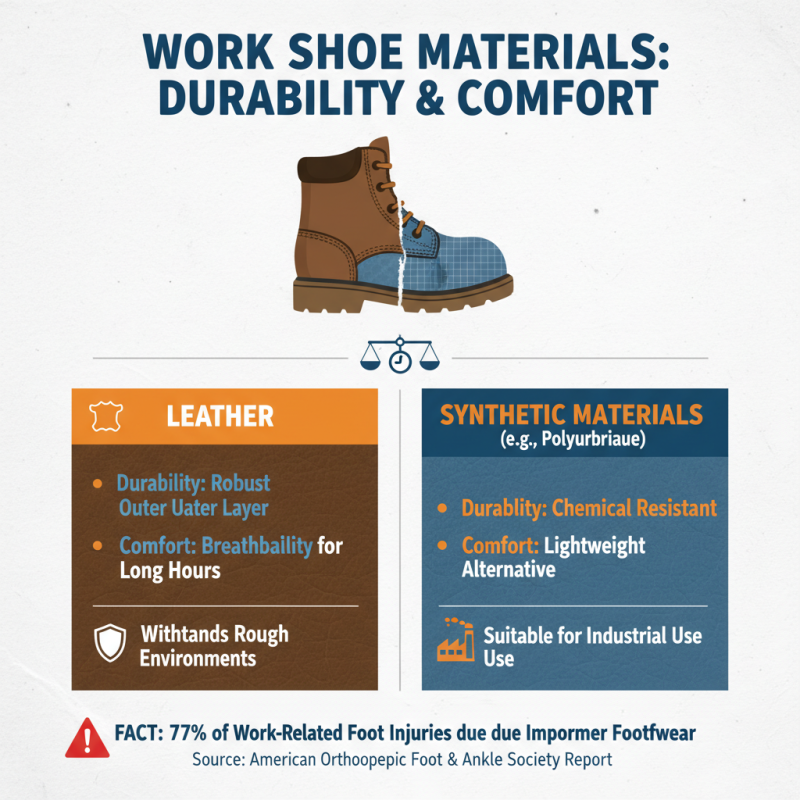
When selecting working shoes, the choice of materials is crucial for achieving the right balance between durability and comfort. According to a report by the American Orthopaedic Foot & Ankle Society, improper footwear contributes to approximately 77% of work-related foot injuries, indicating a pressing need for well-designed work shoes. Materials such as leather, which is known for its durability, provide a robust outer layer that can withstand rough environments, while also offering the breathability needed to keep feet comfortable during long hours on the job. Meanwhile, synthetic materials, such as polyurethane, can offer a lightweight alternative that is resistant to chemicals, making them suitable for various industrial applications.
The incorporation of advanced cushioning technologies, often derived from materials like EVA (ethylene vinyl acetate) foam, significantly enhances comfort levels in working shoes. A study published in the Journal of Occupational Health reveals that shoes utilizing such cushioning can reduce fatigue by as much as 25% over long shifts. Furthermore, innovations in anti-slip materials are improving safety standards, addressing workplace hazards effectively while maintaining comfort. Thus, when choosing working shoes, professionals must prioritize not just durability but also the features that enhance comfort and safety, ensuring they can perform effectively in their roles.
Sizing and Fit: Importance of Proper Measurements for Workplace Safety
Proper sizing and fit are crucial when selecting working shoes, particularly in environments where safety is a top priority. According to a report by the National Institute for Occupational Safety and Health (NIOSH), improper footwear can lead to a greater risk of injuries, including slips, trips, and falls, which account for approximately 24% of workplace injuries in various sectors. Ensuring that shoes are the correct size not only enhances comfort but also maximizes protection against hazards commonly encountered in the workplace.
In 2025, as workplace safety protocols evolve, the importance of accurate measurements for footwear cannot be overstated. A study published in the Journal of Occupational Medicine highlights that nearly 70% of employees wear shoes that do not fit properly, contributing to foot pain and long-term musculoskeletal disorders. Therefore, it's vital for employers to prioritize proper sizing methods, including using Brannock devices for accurate foot measurements and educating staff about the significance of trying on multiple sizes and styles. With advances in technology, applications that assist in determining foot size and arch type can also play a key role in ensuring that employees have access to appropriate footwear that meets safety standards and personal comfort needs.
How to Choose the Best Working Shoes for Comfort and Safety in 2025
| Shoe Type |
Key Features |
Recommended Measurements |
Comfort Level |
Safety Rating |
| Steel-Toe Boots |
Impact resistance, slip-resistant outsole |
Fit snugly with room for toes, measure arch |
High |
5/5 |
| Non-Slip Sneakers |
Flexible, breathable, padded collar |
Measure both length and width, consider arch type |
Moderate-High |
4/5 |
| Clogs |
Easy to clean, shock absorbent |
Loose fit with arch support, check for size adjustments |
Moderate |
3/5 |
| Composite-Toe Shoes |
Lightweight, metal-free |
Snug fit, check cushioning and arch height |
High |
4.5/5 |
| Slip-Resistant Oxfords |
Dressy, comfortable, slip-resistant |
Proper sizing for heel and ball of foot |
Moderate |
4/5 |
Technological Innovations in Footwear: Enhancements for Comfort and Safety
In 2025, the landscape of working shoes has been transformed by significant technological innovations aimed at enhancing both comfort and safety. Recent studies indicate that the ergonomic design of shoes, combined with advanced materials, contributes to a lower incidence of workplace-related foot injuries. According to a report from the American Podiatric Medical Association, up to 75% of Americans experience foot pain at some point in their lives, emphasizing the need for well-designed footwear.
One notable advancement is the use of smart materials that adapt to the wearer’s movements. These materials provide optimal support and cushioning throughout various activities, reducing fatigue during long hours on the job. Moreover, safety features like slip-resistant soles and reinforced toe protection are now being integrated with reactive technologies that can sense the environment. For instance, a recent survey by the Footwear Distributors and Retailers of America revealed that 60% of employees reported accidents due to inadequate footwear. This underscores the importance of investing in technological advancements that ensure not just comfort through enhanced cushioning, but also increased safety through smart protective features.
Furthermore, the growing adoption of 3D printing technology in footwear manufacturing allows for customized fittings that meet individual foot shapes and sizes. This trend is supported by a report from Research and Markets, which projected that personalized footwear sales could reach $3 billion by 2025. The potential for tailored fit reduces the risk of common foot ailments, thus promoting better overall health for workers. As companies continue to prioritize the well-being of their employees, innovations in footwear will undoubtedly play a pivotal role in shaping a safer and more comfortable work environment.