How to Choose the Best PVC Shoes for Comfort and Style?
Choosing the right PVC shoes can feel overwhelming. They are popular for their comfort and versatility. However, not all PVC shoes are created equal. Some may lack style, making it difficult to find the perfect pair.
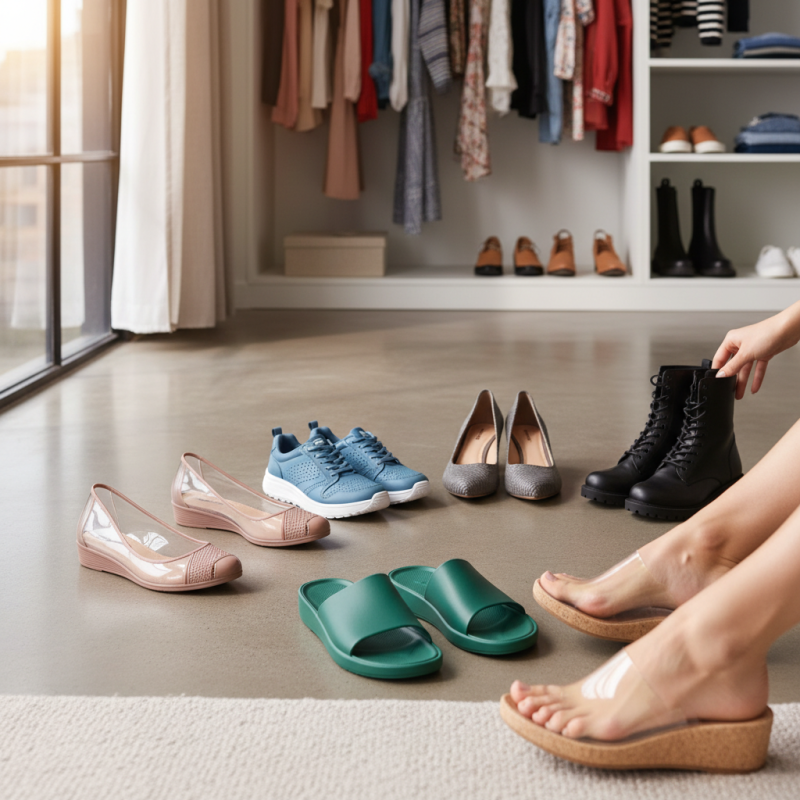
When selecting PVC shoes, consider your needs. Are you looking for something casual or more formal? Comfort is essential; the right pair should support your feet, especially if you wear them all day. Keep an eye out for cushioning and arch support features.
Style is equally important. The market offers a range of colors and designs. However, popular styles may not always fit well. It’s crucial to try different options to find what feels right. Reflect on how you plan to wear them. PVC shoes can be fashionable yet comfortable if chosen wisely.
Understanding PVC Material and Its Benefits for Footwear
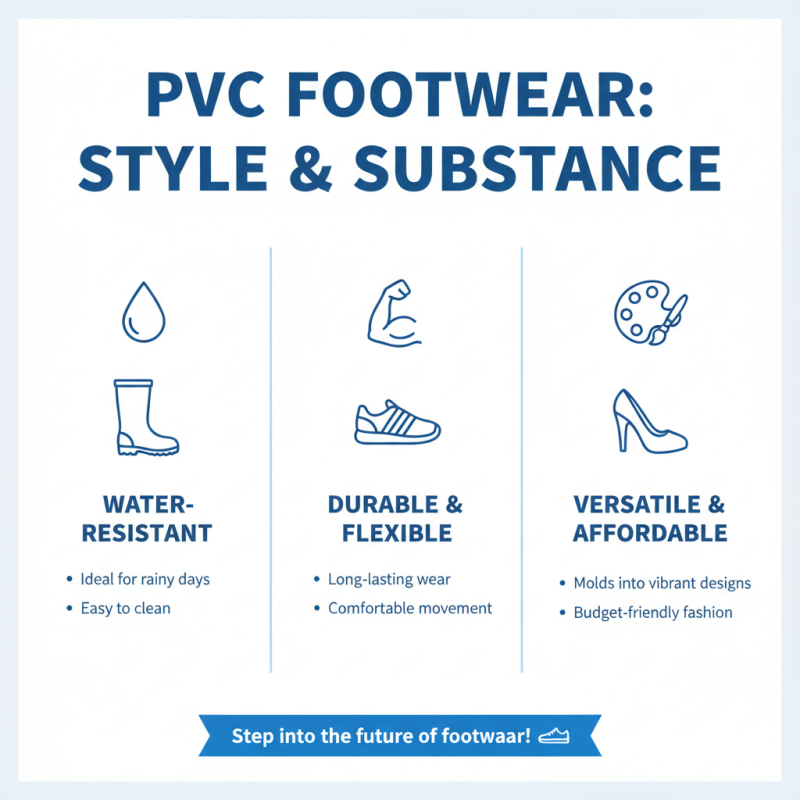
PVC material, or polyvinyl chloride, is a popular choice in footwear. It's known for its durability, flexibility, and affordability. Many people appreciate PVC shoes for their water-resistant qualities. This makes them ideal for various settings, from casual outings to rainy days. The material is easy to clean and can be molded into vibrant designs. This appeals to those who love style and functionality.
When choosing PVC shoes, consider comfort as a priority. Cushioning is essential for long wear. Look for shoes with a soft insole to enhance comfort. A snug fit is also important. It prevents blisters and irritation on your feet. Always try shoes on before buying. It can be tough to ensure the perfect fit without testing them out.
Keep in mind, however, that PVC isn't breathable. This can lead to sweaty feet over time. Regular breaks from wearing these shoes can help. Staying mindful about ventilation and moisture can enhance your overall experience. Pay attention to how your feet feel after prolonged use. This insight can guide your future purchases.
Factors to Consider When Selecting Comfortable PVC Shoes
When selecting comfortable PVC shoes, several factors come into play. Comfort is paramount. A recent industry report found that 70% of consumers prioritize comfort when purchasing footwear. Look for shoes with cushioning and arch support. Insufficient support may lead to foot fatigue.
Another important factor is breathability. PVC shoes can trap heat. Shoes that feature ventilation or mesh panels improve airflow. This keeps feet cooler and prevents excessive sweating. Research indicates that breathable materials can reduce odor and discomfort significantly.
Style also matters. Comfort should not come at the expense of appearance. Many consumers desire stylish options that can transition from casual to semi-formal occasions. However, many people overlook color choices and finishes. A shoe that looks great may not feel as good. Try different styles. It’s essential to ensure a balance between aesthetics and comfort.
Balancing Style and Functionality in PVC Shoe Design
Finding the right balance between style and functionality in PVC shoe design can be challenging. According to a recent market study, 67% of consumers prioritize comfort over aesthetics. However, people also want shoes that look appealing. This blend is essential for a favorable purchasing decision. Designers must be mindful of foot health too. If a shoe lacks support, it can lead to discomfort and long-term issues.
Incorporating unique design elements can elevate the overall style while maintaining practical features. Bright colors and modern patterns often attract buyers. Yet, the need for breathability and flexibility shouldn't be overlooked. Many PVC shoes do not provide adequate ventilation, leading to sweaty feet. A report highlights that 45% of shoppers return shoes due to discomfort. This suggests that brands must innovate while considering consumer feedback.
Reflecting on trends, it's vital to notice that not all fashionable designs prioritize ergonomics. High heels and narrow fittings can compromise foot health. Even if a shoe looks stunning, if it hurts the feet, it won't stay in the closet long. Balancing these aspects requires constant iteration and listening to what users really want.
How to Determine the Right Fit for Your PVC Shoes
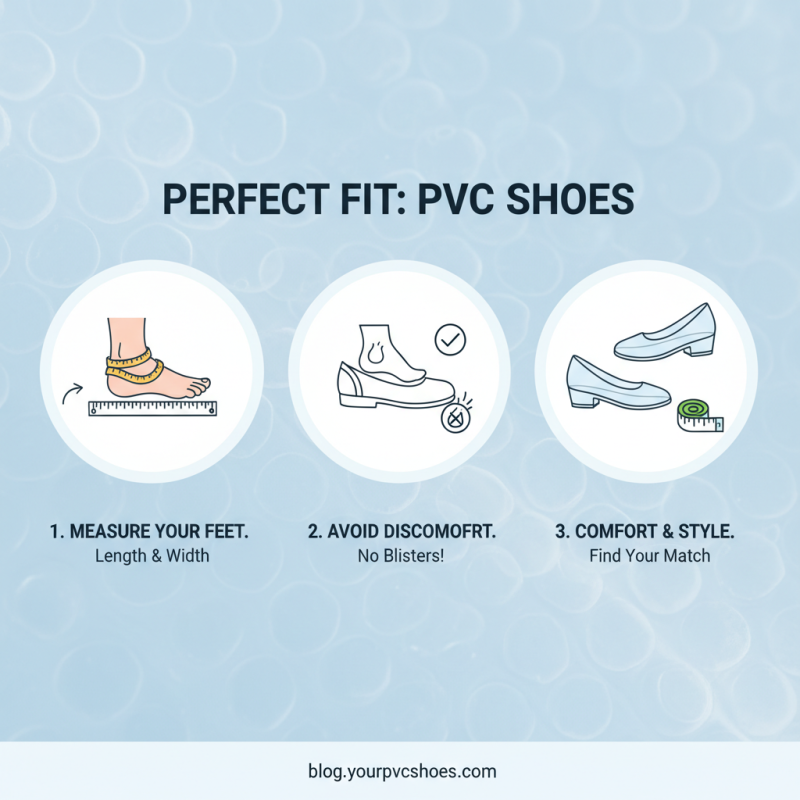
Choosing the right fit for your PVC shoes is essential for both comfort and style. Start by measuring your feet. Use a ruler or measuring tape to determine the length and width. This is a basic step, yet many skip it. An accurate measure can help avoid uncomfortable blisters later.
When trying on PVC shoes, focus on how they feel. Walk around in them for a few minutes. Check for tightness in the toes or around the instep. If your shoes pinch or rub, they are likely too small. Shoes should feel snug but not painfully tight.
**Tip:** Consider the shoes' flexibility. Soft PVC can adapt to your foot shape over time. However, stiffer models may require a breaking-in period.
Don't forget about arch support. Some PVC shoes are flatter than others, which might not suit everyone. If you have high arches, look for options with built-in support. If they don't fit well in the store, they probably won't be comfortable later. Always trust your instincts when it comes to fit.
Care and Maintenance Tips for Long-lasting PVC Footwear
Proper care can significantly extend the life of your PVC shoes. To keep them looking fresh, clean them regularly. A damp cloth works wonders for quick dirt removal. For deeper stains, use mild soap and water. Rinse thoroughly and allow them to air dry. Avoid direct sunlight, as it can warp the material.
Store PVC footwear in a cool, dry place. Overstuffing can ruin their shape. If you notice any cracking, it’s time for a careful inspection. A dedicated shoe box or bag can prevent scratches. Regularly check for any signs of wear.
Here are some tips: use a soft brush to remove dust before it settles. Rotate your shoes to minimize wear. Don’t soak them in water; prolonged exposure can damage the material. Keep shoes away from heat sources, as heat can cause deformation. Simple actions can make a big difference.