Why Choose Safetoe Shoes for Your Next Work Boot Solution?
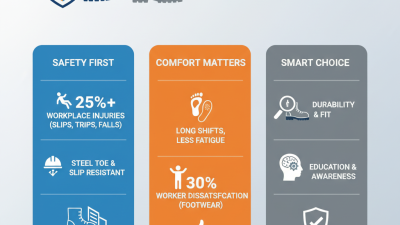
In the demanding world of work environments, safety is paramount. Employees face a variety of hazards, from slippery floors to heavy falling objects. A 2021 report by the National Safety Council shows that slips, trips, and falls account for over 25% of workplace injuries. Choosing the right footwear can significantly reduce these incidents. Safetoe Shoes provide a reliable solution for those seeking durability and safety in a work boot.
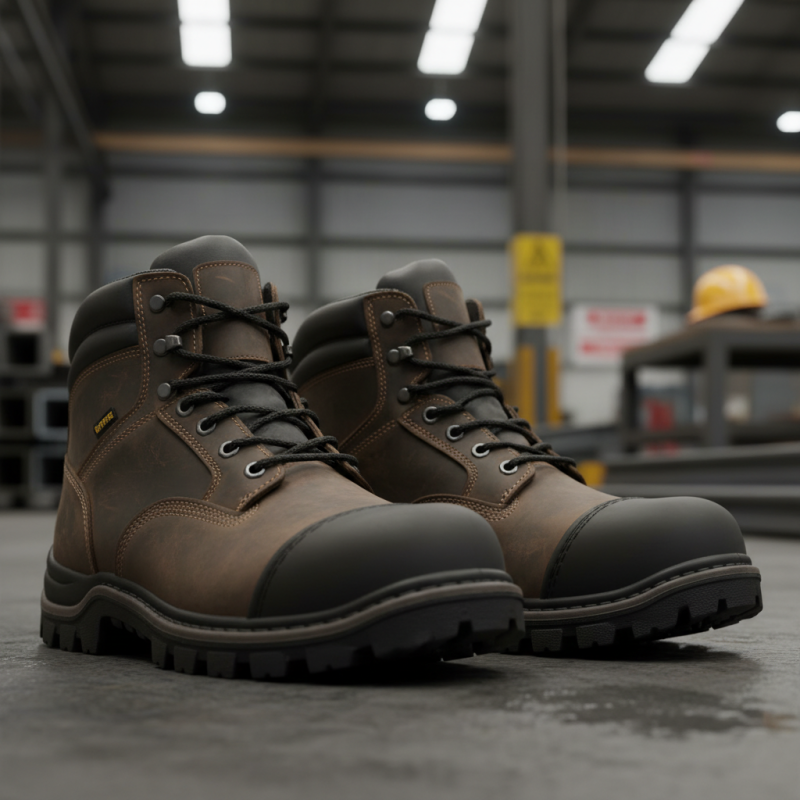
With reinforced toe caps and slip-resistant soles, Safetoe Shoes stand out in protecting workers. Studies indicate that proper work boots can cut injury risk by up to 60%. These shoes are designed not just for safety, but for comfort too. However, some wearers might find them slightly bulkier than expected, a detail that requires consideration.
Employers must evaluate which footwear best suits their workforce's needs. Investing in quality work boots is essential. Safetoe Shoes represent a thoughtful choice for those aiming to enhance safety without compromising on comfort. Every detail of these boots caters to real-world work conditions, reflecting a commitment to protection and performance.
Benefits of Choosing Safetoe Shoes for Work Environments
Choosing the right footwear for work environments can make a significant difference. Durable shoes provide protection and comfort all day long. Foot support is crucial. Poor support can lead to fatigue and injury. A good pair should cushion every step, reducing strain on joints.
Many work roles demand long hours on your feet. The right shoes help alleviate discomfort. Features like slip resistance can prevent falls. Water resistance is vital for wet conditions. Lightweight materials can enhance mobility. But, selecting the best option often seems overwhelming.
It's easy to overlook fit and feel. Not every design suits every foot type. Trying different styles is essential. Often, workers settle for convenience over quality. Invest time in finding footwear that truly supports you. Reflect on your daily needs and choose wisely. The right decision today can enhance your safety and productivity tomorrow.
Why Choose Safetoe Shoes for Your Next Work Boot Solution? - Benefits of Choosing Safetoe Shoes for Work Environments
| Feature |
Description |
Benefits |
| Durability |
Constructed with high-quality materials for long-lasting wear. |
Reduces the need for frequent replacements and saves money. |
| Comfort |
Cushioned insoles that provide support throughout the day. |
Enhances productivity by minimizing foot fatigue. |
| Safety Features |
Includes steel toes and slip-resistant soles. |
Protects against workplace injuries and increases safety compliance. |
| Breathability |
Designed with breathable materials to keep feet dry. |
Prevents discomfort from moisture and overheating. |
| Versatility |
Suitable for various work environments from construction to hospitals. |
Allows for use in different job settings, maximizing investment. |
Key Features of Safetoe Work Boots: Comfort and Protection
When selecting work boots, comfort and protection are crucial factors. A good pair of shoes can make or break your workday. Comfort starts with the right fit. If the shoes pinch or slide off, you'll struggle. Look for boots with cushioned insoles. They help absorb shock and reduce fatigue.
Protection is just as important. Steel-toe options shield your feet from heavy objects. Waterproof materials keep your feet dry in unpleasant conditions. Breathable fabrics prevent overheating during active tasks. Keep your feet safe and comfortable. This helps maintain focus on your work.
Tips: Remember to break in your boots. Wear them a few hours at home before the big day. Consider adding insoles for extra support. Regularly check for wear and tear. A well-maintained boot lasts longer and provides better protection.
Comparison of Key Features in Work Boots
Durability and Longevity: How Safetoe Shoes Stand the Test of Time
When it comes to work boots, durability and longevity are essential. Many options exist, but not all withstand the test of time. These shoes often face harsh conditions. They encounter water, oil, and heavy materials daily. Choosing the right pair can make a significant difference.
Consider the materials used. Quality components are crucial for resilience. Leather, rubber, and advanced synthetics can provide excellent protection. But not all boots are created equal. Some might wear out quickly, leaving feet exposed. A good work boot should offer comfort and support, but also endure tough environments.
It's important to reflect on your specific needs. Are you working on a construction site? Or perhaps in a manufacturing facility? Different jobs require different features. A boot that performs well in one setting may fail in another. Understanding these nuances can lead to better decisions.
Be mindful of how the shoes fit too. Uncomfortable footwear can diminish productivity and safety. Investing in a durable pair pays off. Your feet deserve protection that lasts.
Customer Reviews and Testimonials: Real-Life Experiences with Safetoe Boots
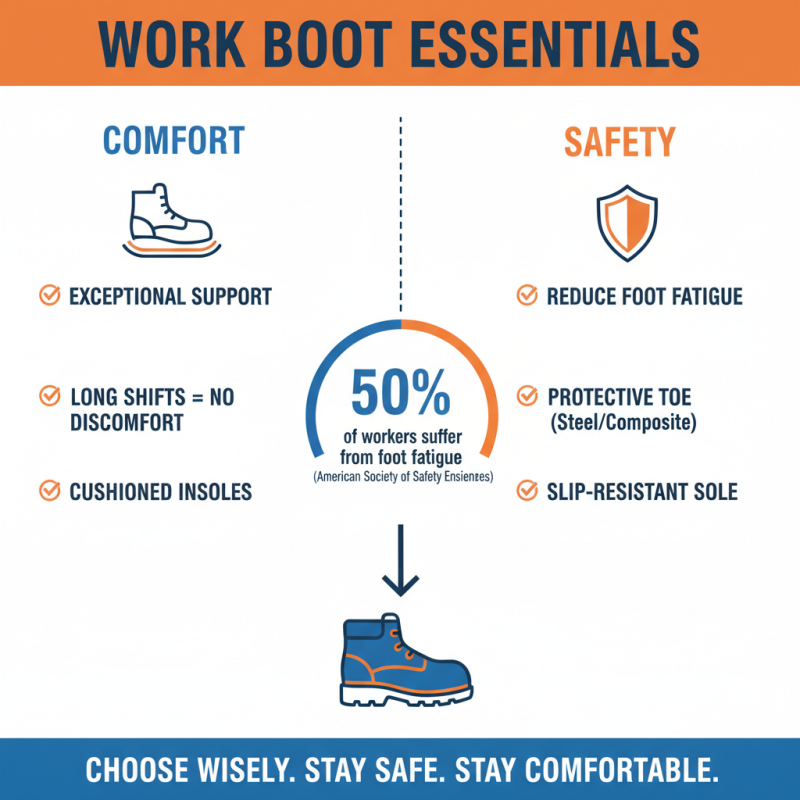
When it comes to work boots, comfort and safety are paramount. Customer reviews often highlight the exceptional support provided by these boots. Many users report that they wear them throughout long shifts without discomfort. According to a report by the American Society of Safety Engineers, 50% of workers suffer from foot fatigue due to inadequate footwear. This underscores the importance of selecting the right boots.
In real-life experiences, several clients have shared how these boots withstand harsh conditions. Testimonials reveal that they excel in wet and slippery environments. One customer mentioned working in a manufacturing plant where spills are common. They found the traction features of their boots significantly reduce the risk of falls. However, some users noted that break-in time can be longer than expected. They initially felt some discomfort but were pleased with the fit after a few days.
Alternatively, feedback regarding durability is mixed. Many customers praise how well these boots resist wear and tear. Yet, a few reported issues with the soles wearing down faster than anticipated. A study from the International Journal of Industrial Ergonomics states that proper footwear selection can reduce workplace injuries by up to 40%. These insights illustrate the critical balance needed between comfort and longevity in work boots.
Choosing the Right Safetoe Shoe Model for Your Specific Needs
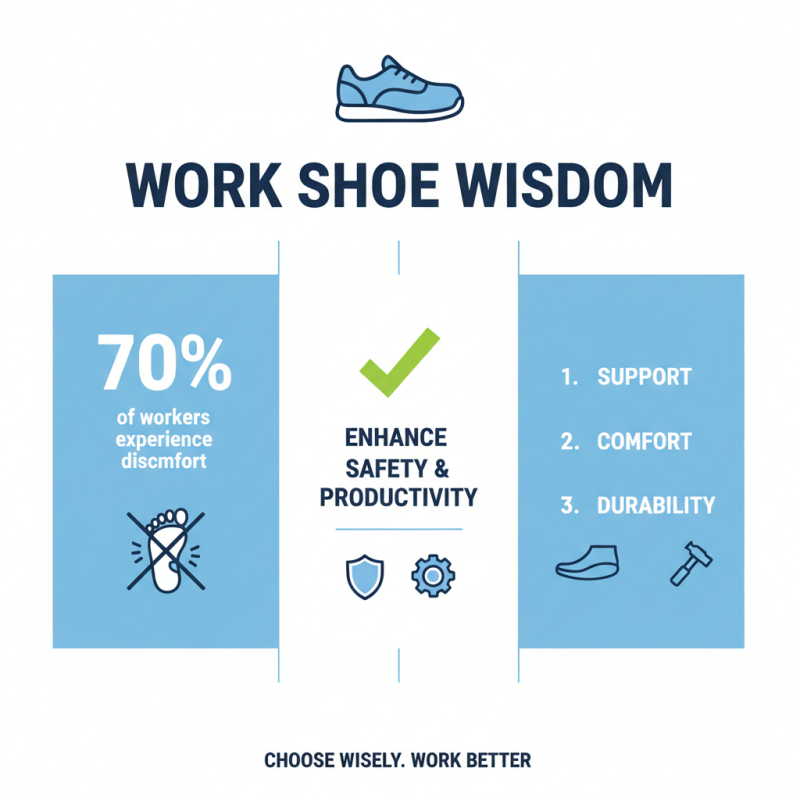
Choosing the right shoe model for work is crucial. With various options available, finding a perfect fit can be challenging. A recent industry report suggests that 70% of workers face discomfort due to improper footwear choices. The right model can enhance safety and productivity.
Consider the specific needs based on your work environment. For construction sites, shoes with slip-resistant soles significantly reduce accidents. According to a safety footwear study, 60% of workplace injuries result from slips, trips, and falls. In manufacturing, lightweight models can improve comfort and reduce fatigue during long shifts.
It’s essential to evaluate factors like durability and protection level. Many users often overlook the safety ratings of their boots. In one survey, 40% of workers unknowingly use shoes lacking adequate safety features. Reflecting on these details can prevent future discomfort and promote overall wellness at work.