How to Choose the Best Safety Shoes for Ultimate Protection and Comfort
When it comes to workplace safety, choosing the right safety shoes is paramount. These essential pieces of personal protective equipment (PPE) not only provide comfort during long hours but also safeguard against a myriad of potential hazards. The right pair of safety shoes can prevent slips, trips, and falls, while offering robust protection against harmful materials and sharp objects. Understanding the various features and specifications of safety shoes is crucial for selecting a model that not only meets industry standards but also caters to individual needs.
In today’s diverse work environments, the demand for safety shoes has soared as employers strive to create safer workplaces. However, with numerous options available on the market, it can be overwhelming to navigate through the choices and identify the best fit. Comfort, durability, and protection should all play significant roles in your decision-making process. This guide aims to simplify that journey by outlining key factors to consider when selecting safety shoes, ensuring that you can perform your duties effectively while minimizing the risk of injury. Whether you work in construction, manufacturing, or any field requiring protective footwear, understanding how to choose the best safety shoes will contribute greatly to your overall well-being on the job.
Understanding Safety Shoe Standards and Certifications
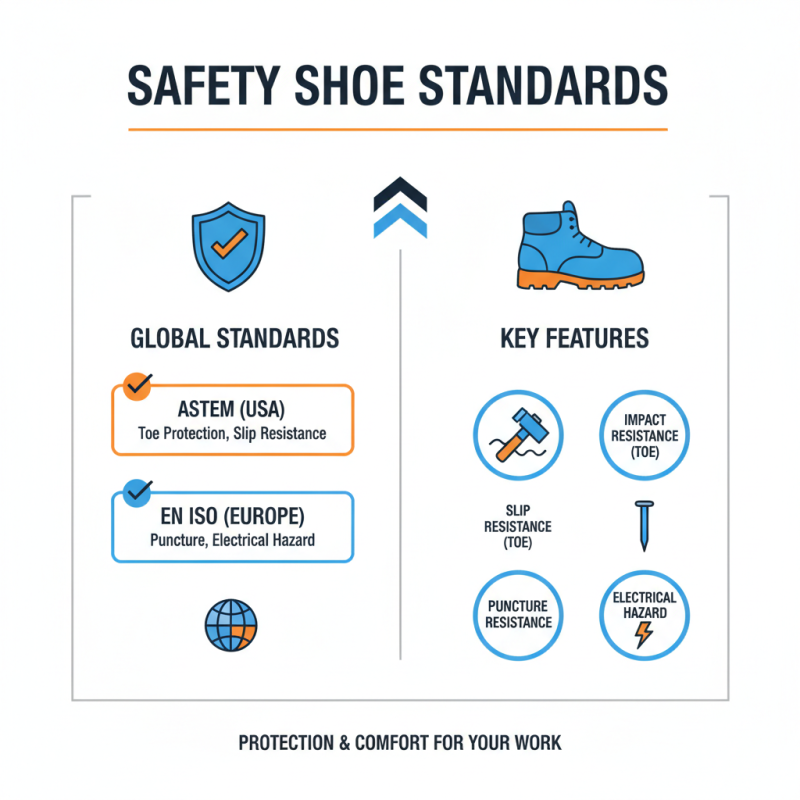
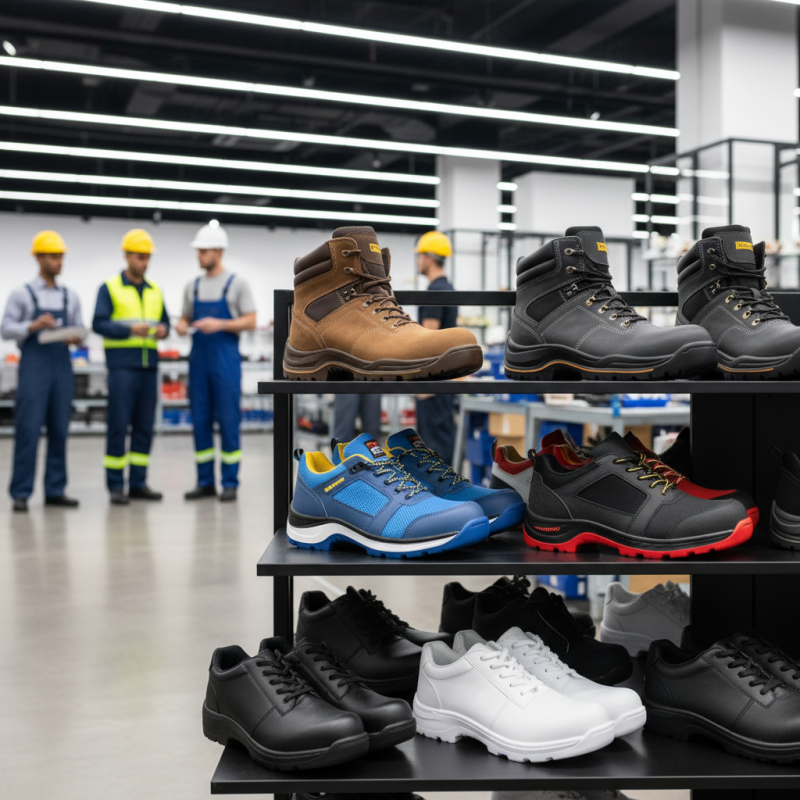
When selecting safety shoes, understanding the various standards and certifications is crucial for ensuring both protection and comfort. Safety shoes are often categorized by their compliance with specific standards, which vary by country and industry. Common certifications include ASTM (American Society for Testing and Materials) in the United States and EN ISO standards in Europe. These standards dictate aspects such as toe protection, slip resistance, puncture resistance, and electrical hazard safety, ensuring that the shoes you choose meet the necessary safety requirements for your working environment.
Tips: Always check the labeling on safety shoes to confirm compliance with applicable safety standards. Look for features tailored to your specific work conditions; for example, if you're in a wet environment, prioritize shoes with enhanced slip resistance. It's also essential to consider the environments in which you'll be working, as certain shoes are designed for specific hazards such as chemical exposure or extreme temperatures.
When investing in safety footwear, comfort should not be overlooked. A pair of safety shoes should offer proper fit and cushioning to prevent fatigue, especially during long hours on your feet. Pay attention to the shoe's construction, materials, and available sizes, ensuring there's enough room for toe movement and arch support. Proper fit will enhance both safety and comfort, making your work environment more productive and enjoyable.
Identifying the Specific Hazards of Your Work Environment
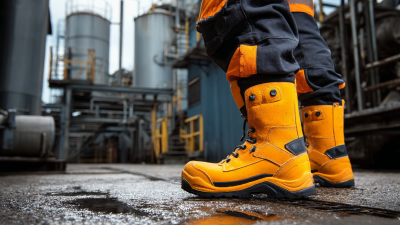
When selecting safety shoes, identifying the specific hazards of your work environment is paramount. Different workplaces present unique risks that require tailored protection. For instance, construction sites may expose workers to falling objects or sharp debris, necessitating steel-toed boots with puncture-resistant soles. On the other hand, workplaces involving electrical hazards may require slip-resistant shoes that also provide electrical insulation to prevent shocks.
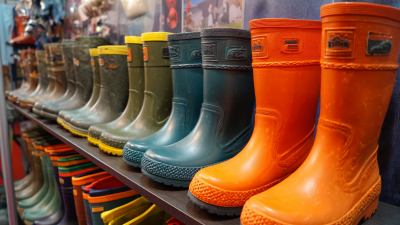
It's also important to consider environmental factors such as exposure to chemicals, moisture, or extreme heat. In settings where chemical spills are a risk, safety shoes made with chemical-resistant materials can protect feet from harmful substances. For employees working in wet conditions, waterproof footwear with good traction is essential to reduce the likelihood of slips and falls.
Additionally, evaluating the comfort aspect cannot be overlooked, as a proper fit can significantly reduce fatigue and improve productivity in physically demanding jobs. Understanding these specific hazards can guide you in making an informed decision to ensure both safety and comfort on the job.
Assessing Comfort Features in Safety Shoe Designs
When selecting safety shoes, assessing comfort features in the design is paramount for ensuring both protection and wearability. A recent report by the American Society of Safety Professionals highlights that employees wearing appropriate safety footwear experience a 22% decrease in workplace-related foot injuries. This statistic underscores the importance of integrating comfort with safety features, as workers are more likely to adhere to safety protocols when their footwear does not cause discomfort during long hours.
One critical aspect of comfort in safety shoes is the proper fit and cushioning system. Shoes that feature memory foam insoles, for example, can provide personalized arch support that significantly reduces fatigue. The National Safety Council suggests that proper arch support can diminish the risk of foot disorders by up to 30%. Additionally, breathable materials can help regulate temperature, keeping the feet dry and comfortable, which is crucial for those who spend extended periods on their feet.
Tips for Choosing Comfort Features: Look for shoes with shock-absorbing soles and adequate ankle support to enhance stability. Consider trying on safety shoes with the type of socks you’ll wear at work, ensuring a snug yet comfortable fit. Moreover, check if the shoes allow for easy movement and provide adequate space in the toe area to avoid pinching, which can lead to discomfort over time. Prioritizing these comfort features will not only aid in injury prevention but also improve overall productivity on the job.
How to Choose the Best Safety Shoes for Ultimate Protection and Comfort - Assessing Comfort Features in Safety Shoe Designs
| Safety Shoe Feature |
Description |
Importance |
Comfort Level |
| Toe Protection |
Reinforced toe cap to protect against impacts |
High |
Moderate |
| Slip Resistance |
Sole designed to prevent slipping on various surfaces |
High |
High |
| Breathability |
Material that allows air circulation |
Medium |
High |
| Water Resistance |
Coated materials to repel water |
High |
Moderate |
| Cushioning |
Soft materials in the midsole for shock absorption |
High |
Very High |
Evaluating Material Quality for Longevity and Protection
When selecting safety shoes, one of the most critical aspects to consider is the quality of materials used in their construction. High-quality materials not only enhance the durability of the shoes but also provide essential protective features against various workplace hazards. For instance, steel or composite toe caps can significantly improve safety by protecting the toes from heavy objects, while waterproof materials can help keep feet dry and comfortable in wet environments. The longevity of safety shoes directly correlates with the quality of materials; choosing shoes made from robust materials can lead to better performance over time.
Additionally, comfort is markedly influenced by the materials selected for safety shoes. Breathable fabrics allow for proper ventilation, reducing heat and moisture buildup, which can cause discomfort during prolonged wear. Furthermore, cushioned insoles made from high-quality foam or gel can provide necessary support, helping to alleviate fatigue during long shifts. Ultimately, investing time in evaluating the material quality of safety shoes ensures that you not only prioritize protection but also promote health and comfort in demanding work conditions.
Safety Shoes Material Quality Evaluation
Selecting the Right Fit and Size for Optimal Performance
When it comes to selecting safety shoes, achieving the right fit and size is paramount for optimal performance. The first step is to understand your foot measurements, including length and width. It’s advisable to measure your feet at the end of the day when they are likely to be at their largest due to swelling. This ensures you choose a size that accommodates your natural foot changes throughout the day. Trying on shoes with the socks you plan to wear provides a more accurate fit.
Additionally, consider the shoe’s design, as safety shoes come in various styles with different features. Look for a snug fit that allows for some movement without being too tight. Pay attention to the toe box; there should be enough space to wiggle your toes without feeling cramped. Ensuring the heel section is secure yet comfortable prevents slipping and blisters during prolonged wear. Remember, a well-fitting safety shoe not only enhances comfort but also plays a crucial role in providing the protection needed for your work environment.