2026 Top Ppe Boots for Maximum Safety and Comfort Options?
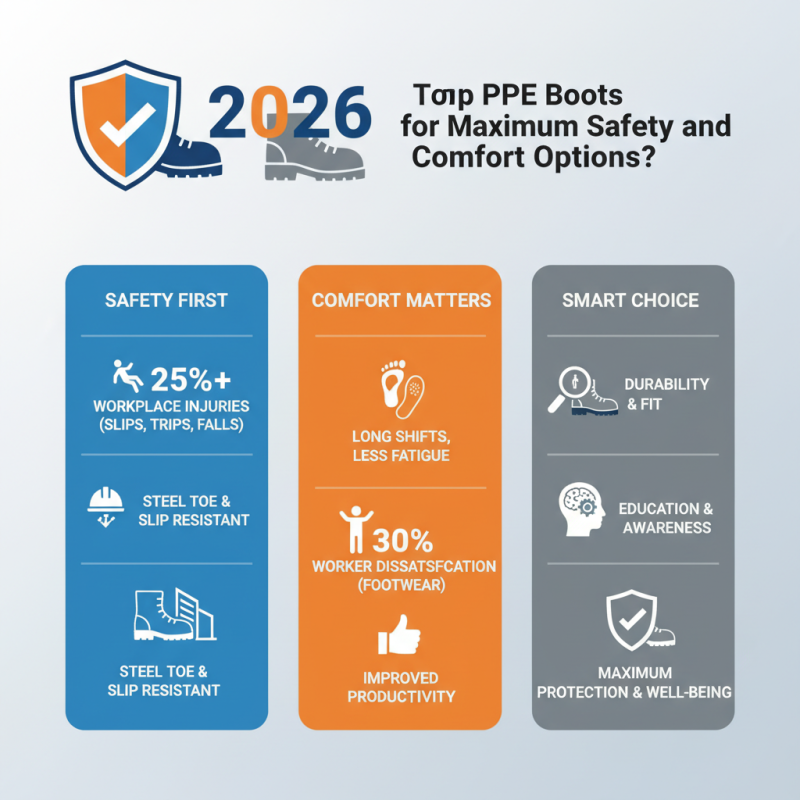
In today's workplace, safety is paramount. According to the Bureau of Labor Statistics, slips, trips, and falls account for over 25% of workplace injuries. Proper PPE, particularly PPE boots, plays a critical role in preventing these incidents. The right footwear not only protects workers but also enhances comfort during long shifts.
PPE boots are designed for durability and safety. Various industries benefit from specialized features, such as slip resistance and steel toe caps. For instance, construction workers face daily hazards. A high-quality pair of PPE boots can significantly reduce the risk of foot injuries. However, many workers select boots without considering fit and comfort. This oversight can lead to fatigue and decreased productivity.
Investing in the right PPE boots is essential for any business committed to worker safety. Yet, it remains a challenge to choose the best options. Industry reports highlight that 30% of workers are not satisfied with their footwear. Greater awareness and education about proper PPE selection are needed. A well-informed choice can make a difference in both safety and comfort.
2026 PPE Boot Safety Standards: Key Regulations and Compliance Metrics
In 2026, personal protective equipment (PPE) boots are crucial for safety in various workplaces. Compliance with safety standards is non-negotiable. These standards ensure that boots protect against hazards like slips, punctures, and electrical shocks. The right boots can significantly reduce workplace injuries. Workers must understand the regulations that govern PPE.
Key regulations often include specific testing requirements. Boots might need to withstand specific weights or conditions. They should also be resistant to chemicals and oils. Not every boot meets these requirements. It's important for users to check certifications. Some may find themselves using outdated or unapproved models. Frequent reviews of compliance metrics are essential.
Boot comfort is equally significant. A boot that fits poorly is a danger in itself. Workers may ignore safety due to discomfort. Finding the right balance between safety and comfort should be a priority. Employers must invest in quality products. Regular training on PPE standards is also vital. Involving workers in the process can yield better outcomes.
Analysis of Popular Brands: Performance Ratings and User Satisfaction Scores
When selecting PPE boots, comfort and safety are paramount. Users often look for features like slip resistance, durability, and breathability. However, not all brands deliver consistently. Some may excel in comfort but fall short on safety ratings. Others might provide excellent protection yet compromise on wearability. It’s essential to assess both performance and comfort.
In reviews, users frequently express dissatisfaction with the sizing. Boots that claim to fit true-to-size may not always do so. There's a noticeable gap between expectation and reality. Some individuals report discomfort after prolonged use, indicating a need for better design. Feedback suggests that weight can also be an issue; lighter boots are preferred for extended wear.
Performance ratings vary widely. Users often give high scores for safety features like steel-toe reinforcement. Satisfaction with support and cushioning seems lower in some models, leading to fatigue. Real experiences show that a one-size-fits-all approach does not work. Each user’s needs are unique, highlighting the importance of personal trials before purchase.
2026 Top PPE Boots Performance Ratings
Ergonomic Design Features in 2026 PPE Boots for Occupational Use
The ergonomic design of PPE boots in 2026 emphasizes both safety and comfort for workers. Many boots feature cushioned insoles, which help absorb impact throughout the day. These insoles align the feet properly, reducing strain on the legs and back. Workers often face long hours on their feet, so this design is critical.
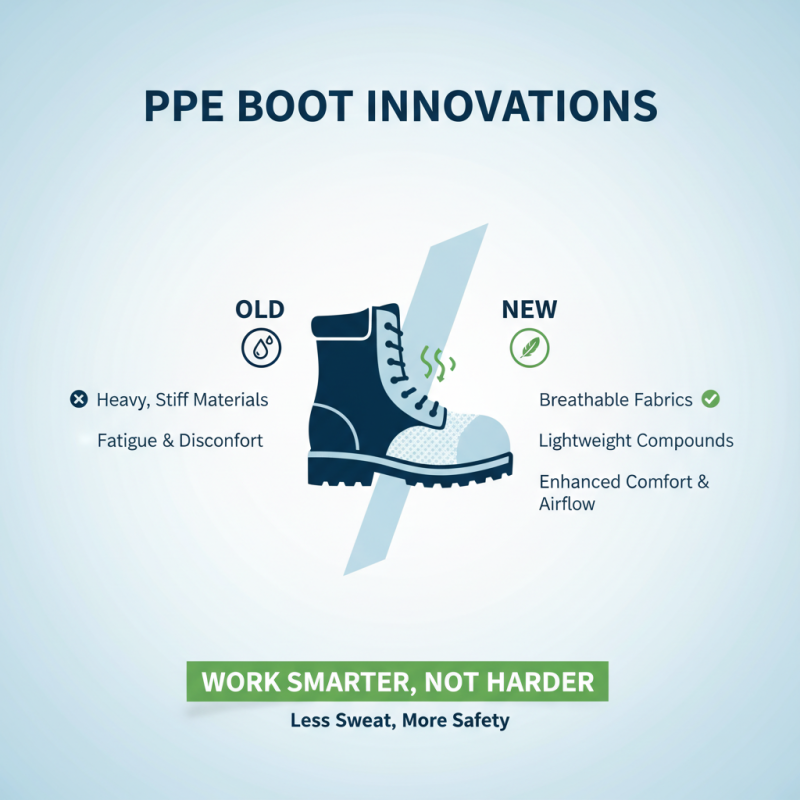
Additionally, breathable materials are becoming standard. A well-ventilated boot prevents sweat buildup, keeping feet dry and comfortable. It's common for workers to deal with various environments, from hot workshops to cold outdoor sites. Flexible outsoles enhance mobility, allowing for easier movement without sacrificing protection.
While many stylish designs attract attention, durability should not be overlooked. Some boots may look appealing but falter under tough conditions. Regular assessments of comfort and performance are vital. There's always room for improvement, especially in adapting to new workplace challenges. Prioritizing ergonomic features can significantly impact overall productivity and worker satisfaction.
2026 Top PPE Boots for Maximum Safety and Comfort Options
| Model |
Safety Features |
Comfort Features |
Weight |
Price Range |
| Model A |
Steel Toe, Slip Resistant |
Cushioned Insole, Moisture Wicking |
2.0 lbs |
$120 - $150 |
| Model B |
Composite Toe, Electrical Hazard Protection |
Ankle Support, Breathable Linings |
1.8 lbs |
$130 - $160 |
| Model C |
Waterproof, Slip Resistant |
Orthotic Insole, Lightweight Design |
1.6 lbs |
$110 - $140 |
| Model D |
Steel Toe, Puncture Resistant |
Arch Support, Ergonomic Fit |
2.1 lbs |
$140 - $170 |
| Model E |
Metatarsal Guard, Chemical Resistant |
Soft Lining, Adjustable Fit |
1.7 lbs |
$125 - $155 |
Environmental Considerations: Sustainability Practices in Boot Manufacturing
The boot manufacturing industry faces increasing scrutiny over its environmental practices. Many companies are now prioritizing sustainability. Reports reveal that around 60% of materials in some boots are made from recycled content. Using recycled materials reduces waste significantly. Yet, not all brands commit fully to these practices.
Manufacturers often rely on synthetic materials, which come from fossil fuels. This raises concerns about their environmental impact. Water consumption in boot production can exceed 20,000 liters per pair. Sustainable alternatives, like bio-based materials, are emerging. These options promise lower environmental footprints. However, adoption remains limited.
Furthermore, the end-of-life disposal of boots is an issue to address. Many footwear products are not recyclable and end up in landfills. Innovative recycling programs could bridge this gap. Still, the overall commitment to sustainability varies among manufacturers. More transparency is needed for consumers to make informed choices. Real change demands accountability and dedication from the entire industry.