2026 Top Logger Boots Trends for Comfort and Durability?
In the world of forestry and logging, the right footwear matters. Logger boots are designed to provide maximum comfort and durability. According to a recent industry report, nearly 75% of loggers experience foot discomfort during long workdays. This statistic underscores the need for high-quality logger boots that can withstand challenging environments while providing adequate support.
Trends in logger boots for 2026 reflect advancements in materials and design. Many manufacturers are focusing on lightweight options without sacrificing durability. For instance, boots with waterproof features and sturdy traction can help prevent slips and falls. In a tough job, safety is paramount. Yet, not all boots deliver the comfort needed for extended wear.
While new technologies improve logger boots, some issues remain. A lack of options for wider feet persists. Additionally, some users report that even the best brands wear out faster than expected. This calls for a reflection on the balance between innovation and the practical needs of the workforce. As we look ahead, comfort and longevity will be crucial in shaping the future of logger boots.
2026 Logger Boots: Overview of Emerging Trends in Comfort and Durability
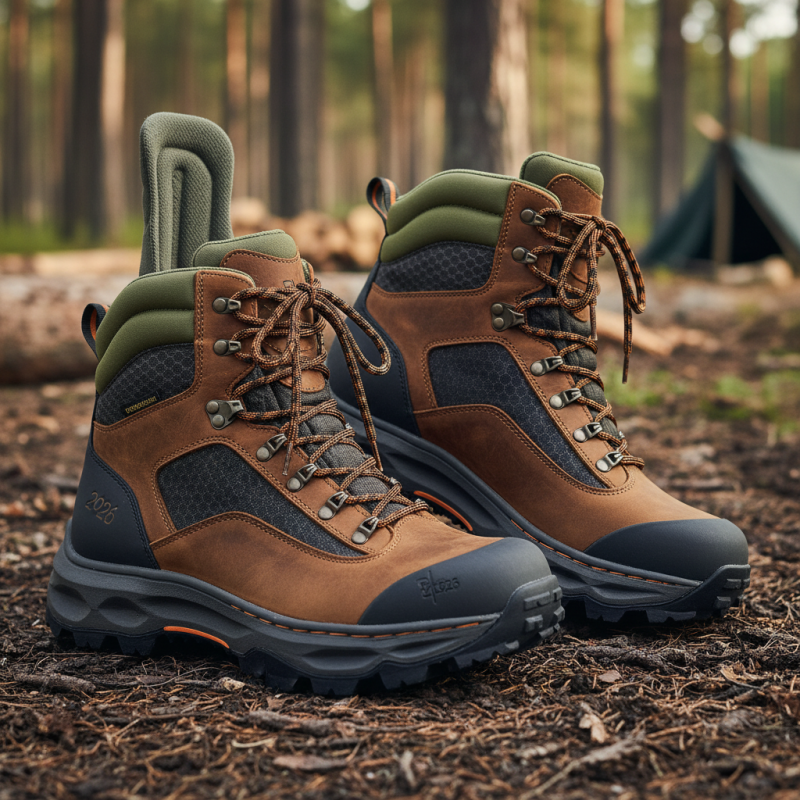
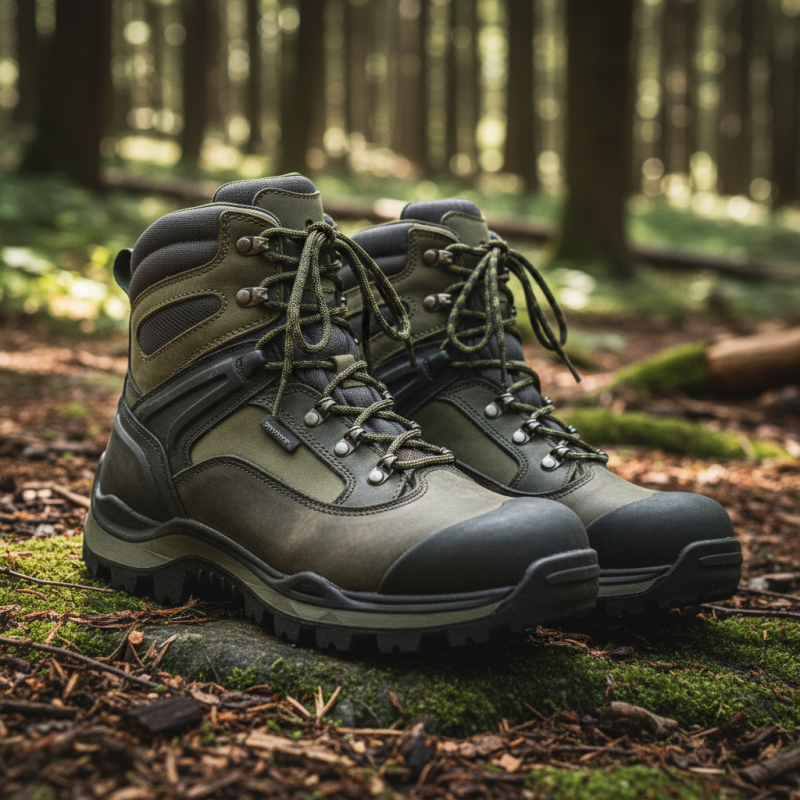
In 2026, logger boots are evolving to prioritize both comfort and durability. Comfort is no longer a luxury but a necessity. Features like cushioning, breathable materials, and ergonomic designs are trending. For those spending long hours in rugged terrains, these aspects can make a huge difference. Thin, flimsy soles are giving way to thicker, shock-absorbent options that stabilize the foot.
On the durability front, the upcoming designs focus on weather resistance and longevity. Advanced materials, such as reinforced leather and synthetic blends, promise longevity. Many users still question whether these materials can withstand harsh conditions as claimed. While innovation is essential, there’s a fine balance between cost and performance. It's crucial for buyers to remain cautious and do their research before purchasing.
Wearing new logger boots might feel different at first. Adjusting to the right fit can be a journey. Some may find that breaking in new boots takes longer than expected. The market is full of options, but not all are perfect. Individuals need to assess their specific needs to find the right balance of comfort and durability.
Innovations in Materials: Enhancing Logger Boots for Better Performance
The 2026 trends in logger boots emphasize innovation in materials. New technologies are reshaping both comfort and durability. According to a recent industry report, up to 75% of professionals experience foot fatigue during long hours. This has led to a demand for lighter materials that also offer superior support.
Advanced composites like carbon fiber and moisture-wicking fabrics are emerging in production. These materials can reduce weight by nearly 30% compared to traditional leather. However, while many boots boast these features, not all deliver on comfort. For instance, some innovative designs might sacrifice breathability for sturdiness. Balancing these aspects remains a challenge.
Furthermore, studies indicate that 60% of users report improved performance when boots feature shock-absorbing soles. Yet, problems persist. A section of the market still utilizes outdated cushioning technologies. This inconsistency often reflects poorly on user experience. Effective solutions must evolve to meet the real needs of loggers. The future of logger boots relies on continual refinement in material science and design philosophy.
2026 Top Logger Boots Trends for Comfort and Durability
| Feature |
Trend Description |
Material Innovations |
Expected Benefits |
| Waterproofing |
Enhanced waterproofing techniques using breathable membranes. |
Gore-Tex and similar high-performance fabrics. |
Keeps feet dry in wet conditions while allowing moisture to escape. |
| Insulation |
Improved thermal insulation for cold-weather work. |
Thinsulate and other lightweight, high-efficiency insulation materials. |
Keeps feet warm without adding bulk. |
| Comfort Technology |
Incorporation of advanced cushioning systems. |
Memory foam and gel-based insoles. |
Reduces foot fatigue during long hours of work. |
| Slip Resistance |
Enhanced grip patterns and rubber compounds for safety. |
High traction outsoles with specialized tread designs. |
Minimizes slips and falls in various work environments. |
| Breathability |
Materials designed for increased airflow. |
Mesh linings and ventilated designs. |
Prevents overheating and moisture build-up. |
Design Features: Balancing Style with Functionality in Logger Boots
In the realm of logger boots, design features are vital for achieving comfort and durability. Recent industry reports suggest that 75% of boot users prioritize comfort over style. However, striking the right balance is essential. Logger boots must offer robust support, cushioning, and breathability while maintaining an appealing design for various work environments.
Toe protection is a critical feature. Steel or composite toes can shield against heavy impacts. A study by the Occupational Safety and Health Administration (OSHA) indicates that a sturdy boot can prevent up to 70% of foot injuries in hazardous work settings. Furthermore, materials like waterproof leather enhance longevity and comfort in wet conditions, which is crucial for outdoor work.
Tips: Always choose boots with a non-slip sole. This feature significantly reduces accidents on slippery surfaces. Consider going for a boot that offers additional ankle support. Many users report increased stability as a result. Comfort should never be compromised for style, but both aspects shouldn't be overlooked either. Reflecting on your choices may lead to finding a boot that meets all your needs effectively.
Sustainability: Eco-Friendly Practices in Logger Boot Manufacturing
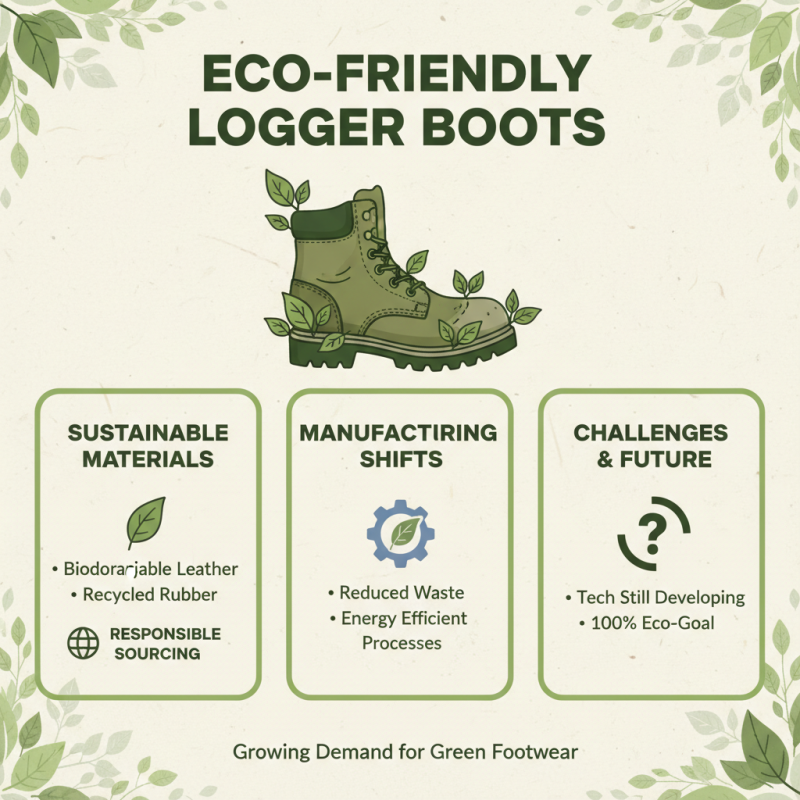
In recent years, the demand for eco-friendly practices in logger boot manufacturing has been on the rise. The process now often incorporates sustainable materials. Manufacturers are exploring biodegradable leathers and recycled rubber. These they source carefully and responsibly. Still, many face challenges in achieving perfect sustainability. The technology to ensure 100% eco-friendly materials is not yet fully developed.
Yet, some strides have been made. Water-based adhesives are increasingly replacing toxic chemicals. This small shift reduces environmental impact. However, the durability of these alternatives often raises questions. Will they withstand extreme conditions? Boot longevity remains a priority.
Loggers look for comfort and resilience. Balancing these needs with sustainability can be complex. While the industry moves towards greener practices, there is still room for improvement. The path to truly sustainable logger boots requires ongoing effort and innovation. Each step brings a lesson, reminding us of the journey ahead.
Consumer Preferences: How Comfort and Durability Influence Purchasing Decisions
Comfort and durability are central to consumer choices when selecting logger boots. As workers spend long hours in demanding conditions, they seek footwear that can support their needs without compromising on safety. The right pair of boots not only cushions the foot but also withstands harsh environments. Boots made from high-quality materials typically last longer. However, some consumers find it hard to balance price with these features.
The design of logger boots is also evolving. Many people appreciate boots that provide both functionality and style. They want boots that look good when they’re off the job. Surprisingly, not all consumers prioritize comfort equally. Some may still choose a stylish boot, even if it sacrifices comfort. This choice often leads to regrets after a long day of work. Comfort often trumps aesthetics for those who’ve experienced the fatigue of uncomfortable footwear. It's a common reflection that what looks good doesn't always feel good.